
26 Minutes Until Armageddon
How Nuclear War Unfolds Faster Than Human Judgment
$37.00$27.00
When the Sun Refuses to Rise
Humanity has always feared fire.
But we have never truly confronted the terror of darkness that does not end.
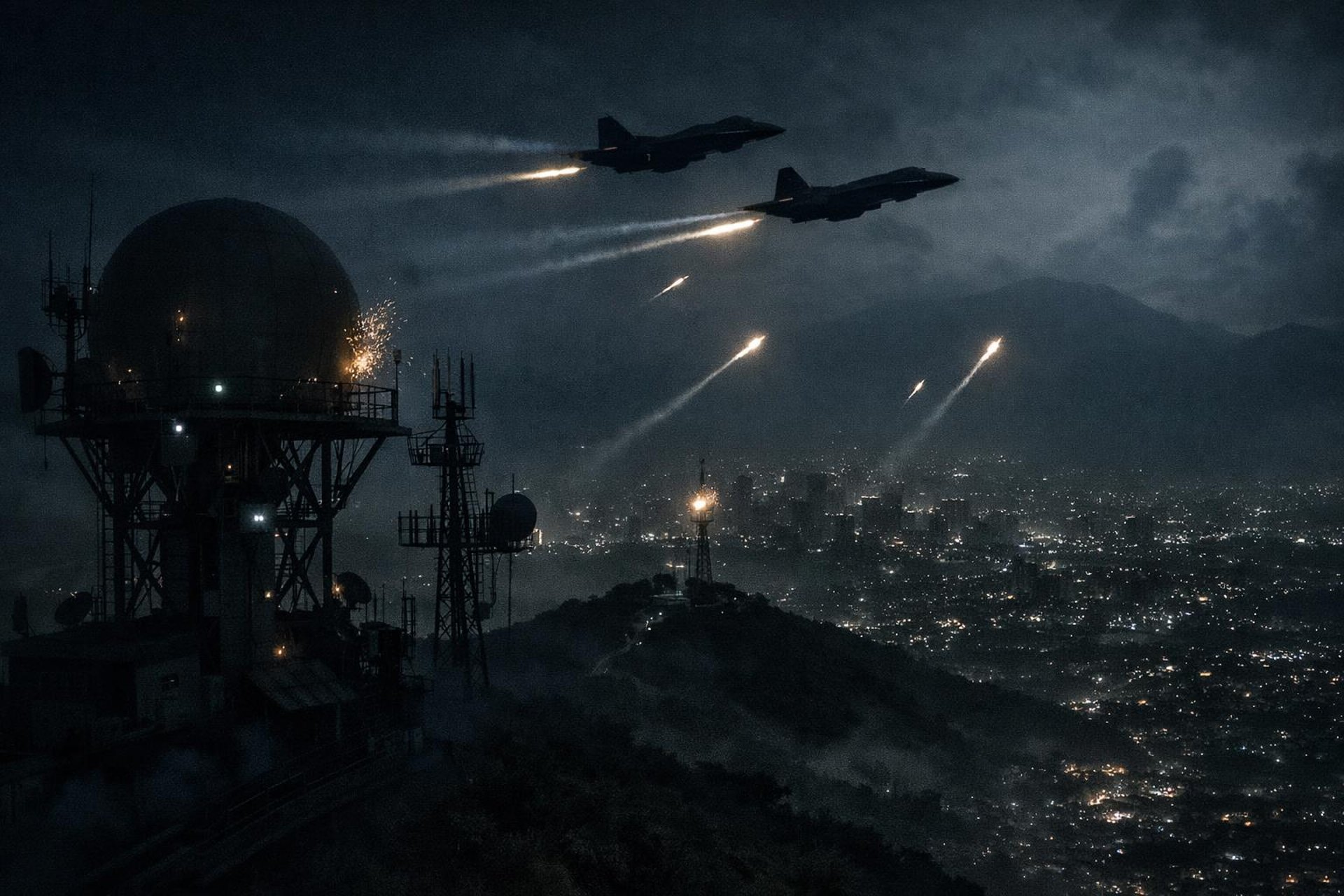
A nuclear war would not conclude when the last missile strikes. The explosions, the fireballs, and the immediate deaths—horrific as they are—would merely be the opening act. The real catastrophe would begin afterward, when smoke from burning cities climbs into the upper atmosphere, blotting out the sun. Days turn gray. Weeks turn cold. Months turn desperate. Years pass without summer.
This is nuclear winter—not a metaphor, not a theory confined to academic journals, but a scientifically modeled outcome supported by decades of climate research. It is a world where sunlight is rationed by the sky itself, where crops fail simultaneously across continents, where global trade collapses overnight, and where the greatest killer is not radiation, but hunger.
Modern civilization is exquisitely fragile. Our cities do not feed themselves. Our hospitals do not operate without electricity. Our food does not come from nearby fields but from vast, invisible supply chains stretching thousands of kilometers. Nuclear winter does not merely damage this system—it erases it. The shelves empty. The trucks stop moving. Governments issue reassurances they cannot fulfill. And then, quietly, starvation begins its work.
This book is not written to inspire panic. It is written to restore clarity.
Survival in a nuclear winter does not belong to the strongest, the wealthiest, or the most technologically advanced. It belongs to the prepared, the organized, and the realistic. It belongs to communities that understand how to produce food without sunlight, how to endure cold without grids, how to preserve health without hospitals, and how to maintain meaning when the world appears abandoned by warmth itself.
The uncomfortable truth is this: most people alive today would not survive a full-scale nuclear winter. Not because survival is impossible, but because modern life has trained us to assume continuity. We assume tomorrow will resemble today. Nuclear winter is the end of that assumption.
And yet, humanity has endured darkness before.
Volcanic winters, plagues, ice ages, and the collapse of entire civilizations have tested our species repeatedly. Each time, survival depended not on optimism, but on adaptation. On learning new ways to eat, to live, to govern, and to hope. The difference now is scale. Never before has darkness been global, deliberate, and self-inflicted.
This book is a map—not to comfort, but to survival.
You will learn where humans are most likely to endure when sunlight disappears, what foods can still be produced in cold and shadow, how shelter must be built or repurposed, how medicine and sanitation function without industry, and why isolated individuals perish while small, disciplined communities persist. You will also confront questions rarely discussed: how law changes when survival is at stake, how morality survives scarcity, and how meaning becomes as vital as calories.
Whether nuclear winter arrives through human failure or is narrowly avoided, the knowledge contained here matters. It exposes the vulnerabilities of our world as it is and the resilience required for the world that could follow. Preparation is not surrender—it is responsibility.
If the sun were to fade tomorrow, most of humanity would be unready.
This book exists so that some will not be.
And so that, if darkness ever comes, it will not find us ignorant.