
The 43-Second Kill: How America and Israel Hunted Iran’s Supreme Leader
$37.00$27.00
The Morning the Middle East Changed
On the morning of February 28, 2026, the balance of power in the Middle East changed in less than a minute.
At 7:00 a.m., deep beneath the streets of Tehran, a meeting was beginning. Around a reinforced conference table sat the most powerful men in the Islamic Republic—military commanders, intelligence chiefs, political leaders, and the man who stood above them all: Ali Khamenei.
The bunker was designed to survive anything.
It lay nearly 200 feet underground, protected by meters of reinforced concrete, steel layers, blast-resistant doors, independent power systems, and escape tunnels that could carry Iran’s leadership to safety in the event of nuclear war. The structure had been upgraded repeatedly over decades. Engineers believed it could withstand even the most devastating military strikes.
For years, Iran’s leadership believed they were untouchable.
Above ground, Tehran looked like any other Saturday morning. Traffic moved through crowded streets. Vendors opened their stalls. Families walked through parks. Nothing in the sky suggested that anything extraordinary was about to happen.
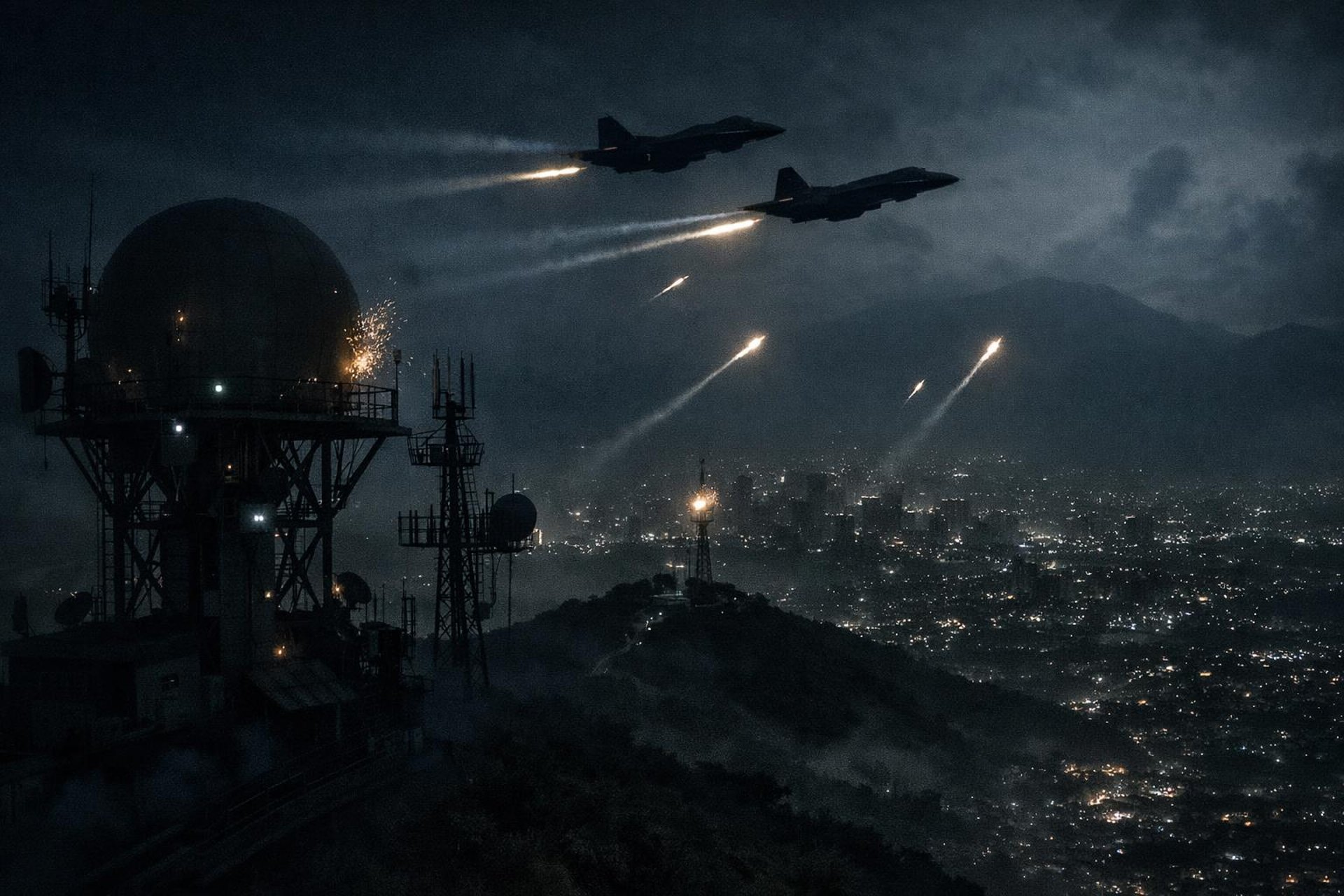
But far above the city, at nearly 50,000 feet, invisible to radar, three stealth bombers were already in position.
Inside them were some of the most powerful conventional weapons ever built—designed not to explode on impact, but to drill through earth and reinforced concrete before detonating deep underground.
The bunker below had been built to resist war.
It had never been designed to resist this.